
Now Reading: NDLEA’s Media Trial of Ilumuanya Sparks “Public Court” Conviction Debate
-
01
NDLEA’s Media Trial of Ilumuanya Sparks “Public Court” Conviction Debate

Media trial by security agencies in Nigeria has been a source of concern for many decades, with legal experts, including members of the Bench and human rights organizations, persistently criticizing the act as despicable and a flagrant violation of citizens’ rights.
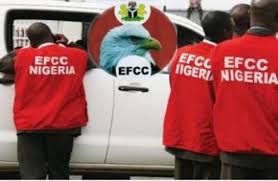
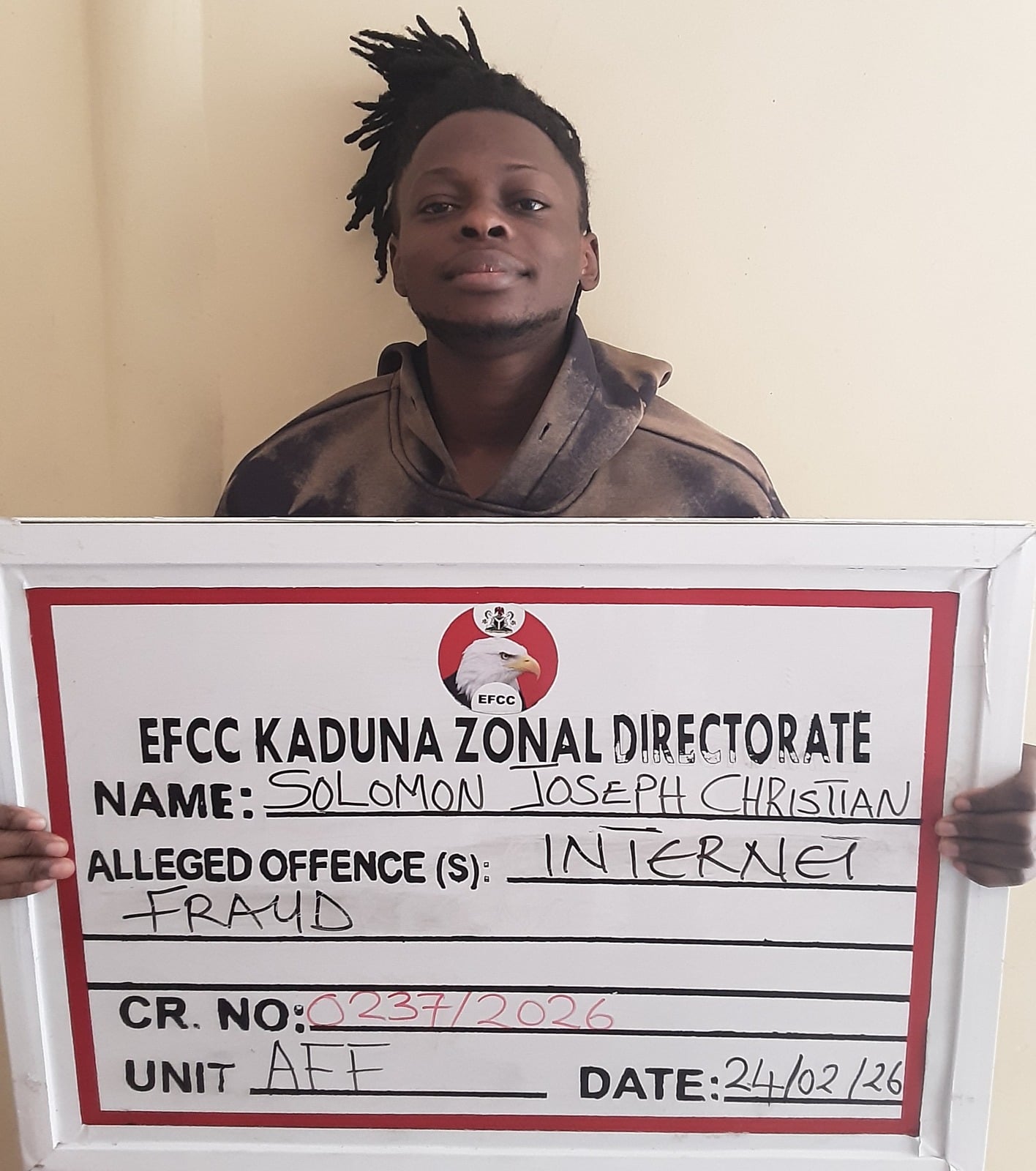
The practice of media trial among security agencies in Nigeria includes the premature parade of suspects before journalists’ cameras, declaring individuals wanted without proper and valid court orders, and the dissemination of misinformation or biased narratives regarding individuals or high-profile cases. These actions can harm reputations and undermine fair treatment of suspects.
In many instances, security agencies resort to pre-trial publicity—such as public parades and press releases—to create the impression that they are actively working, even when cases may lack robust and admissible evidence. This tactic often creates an impression of guilt, which can prejudice public opinion and potentially influence judicial outcomes.
Experts have argued that media trials create a hostile environment for suspects or accused persons, thereby undermining the fairness of the judicial process. Human rights activists also contend that when media-driven cases collapse in court, it erodes public trust in both security agencies and the judiciary.
Lawyers have consistently opposed the practice, noting that it undermines the rule of law and contradicts the constitutional provision of the presumption of innocence as guaranteed under the law.
In light of these concerns, experts strongly believe that security agencies must prioritize evidence gathering over public relations exercises to ensure that justice is properly served. Although it appears that the Police have improved in this regard in recent years due to sustained criticism, concerns persist.
Of particular concern is the continued violation of rights through media trials by the National Drug Law Enforcement Agency (NDLEA), which frequently publishes suspects’ pictures and personal details, as well as shares information about ongoing investigations before such individuals are brought before a court of law.
A recent example is the controversial declaration of Mr. Uzoma Valentine Ilomuanya as a wanted fugitive, despite the fact that he has been standing trial before the agency since 2021.
In a press statement signed by the NDLEA spokesperson, Femi Babafemi, the agency announced the arrest of a 58-year-old man, Uzoma Valentine Ilomuanya, who it claimed had been on its wanted list, as well as that of British authorities, for over 15 years.
The statement indicated that Ilomuanya was apprehended in Lagos on Monday, February 23, 2026, following what was described as a high-stakes and well-coordinated operation by officers of the Agency’s Special Operations Unit. The agency further described his arrest as the end of a “long-standing cat-and-mouse game with the law.”
It also alleged that Ilomuanya had previously been arrested in the United Kingdom in July 2011 for drug-related offences, granted administrative bail, and subsequently absconded.
According to the statement: “Typical of a recidivist, Ilomuanya was arrested in November 2018 in Nigeria by NDLEA operatives. He was subsequently charged before a Federal High Court in Lagos, after which he jumped bail and has been on the run since then.”
The Chairman of NDLEA, Brig. Gen. Mohamed Buba Marwa (Rtd), described the development as a significant breakthrough in the agency’s fight against drug trafficking and commended the officers involved for their diligence and professionalism.
However, what appears both shocking and troubling is that the information presented to the public is, at best, incomplete and, at worst, misleading.
Available records show that the NDLEA has been prosecuting Ilomuanya since 2021 at the Federal High Court, Ikoyi, Lagos, on drug-related charges. The case has been handled by two judges—Justice A.O. Awogboro and, subsequently, Justice Musa Kakaki, who is currently presiding over the matter.
Court records further reveal that Ilomuanya has appeared in court at least eighteen times during proceedings conducted by NDLEA prosecutors.
More concerning is the claim that Ilomuanya was arrested after a 15-year manhunt at an undisclosed location, whereas reports indicate that he was, in fact, apprehended within the court premises immediately after proceedings on February 23, 2026, and subsequently taken into custody.
This raises critical questions: if the NDLEA has been prosecuting Ilomuanya since 2021 and he has consistently appeared in court, on what basis was he declared a fugitive, and where exactly was the alleged manhunt?
The consequences of such half-truths in media trials amount to a violation of the presumption of innocence guaranteed under Section 36(5) of the 1999 Constitution of the Federal Republic of Nigeria.
Furthermore, media trials can lead to “public court” verdicts that are deeply prejudicial to suspects and extremely difficult to reverse, even when a court of competent jurisdiction ultimately finds the accused person innocent.










Related Posts

Stay Informed With the Latest & Most Important News
Previous Post
Next Post



Advertisement